ASHTANGA BASICS
Exploring the FUNdamentals
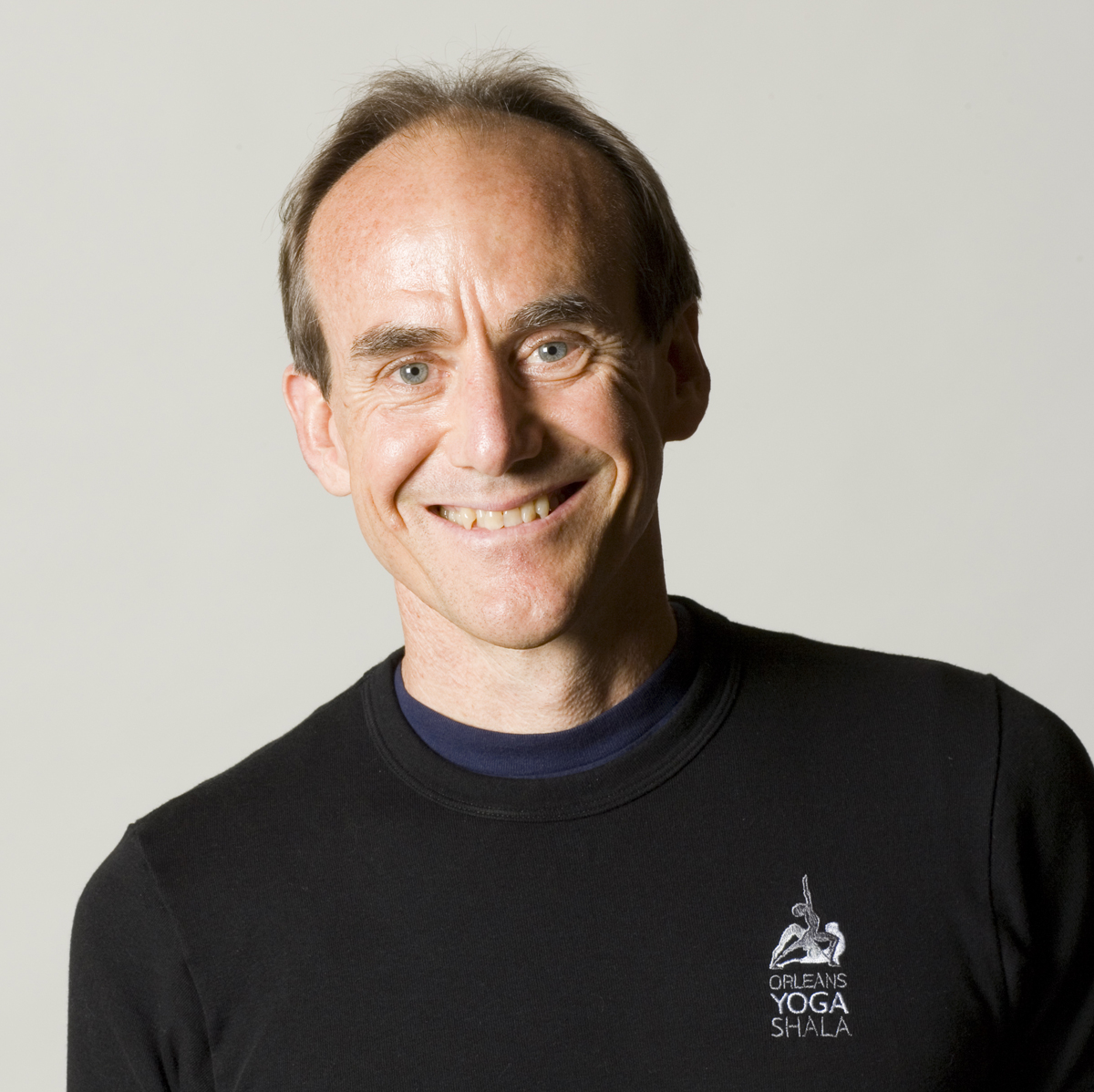
This class is an introduction to Ashtanga Yoga open to all levels of experience, or lack thereof. The building blocks of Ashtanga Yoga will be explored through what David refers to as ‘The Five Elements of Practice; Breath, Bandhas, Drishti, Asana and Vinyasa’. After a short discussion, David will conduct an introductory flow through an abbreviated sequence from the First Series. This is an ideal taste of Ashtanga, guided by one of the world’s most renowned and compassionate instructors.
If you are curious about this dynamic and flowing system, come and join David for a fun, flowing, user-friendly adventure into the basics of Ashtanga Yoga.
FULLY LED PRIMARY SERIES
Dancing with the Breath in a First Series Flow
Designed for those already familiar with the First Series of Ashtanga Yoga; yet open to all levels of proficiency from the daily-practising aficionados to the novice fit-it-in-when-I-can weekend warriors, and everyone in between. This class will be conducted like a choreographed flowing dance from the opening sun salutations to the closing savasana. At the start of class, David will introduce alternatives to the more challenging asanas as well as user-friendly vinyasa options. There will be time at the end of the flow to enjoy a soothing, deep relaxation.
FLYING FLOATING AND HANDSTANDING
A Fun-filled exploration of Vinyasa and Arm-balances
One of the greatest challenges of the Ashtanga flow is the vinyasa. In this class, David will break down the vinyasa into its components. He likes to refer to this as “The Physics of Flight”. Elements of handstands and arm-balances will also be explored.
This will all be done through partner work, with plenty of laughter and fun as well as a depth of information. All levels may attend – even if you have never done a handstand before. Alternatives are always given.
BREATH, BANDHAS AND PRANAYAMA
Exploring the Mantra of Ujjayi and the Mystical Energy of Bandhas
In Sanskrit, Man means ‘Mind’ and Tra means ‘to Free or Deliver’. Therefore, the word Mantra means ‘to Free the Mind’. There are many mantras in yoga such as Om, Hare Krishna, and Om Namo Shivaya. In Ashtanga Yoga, the mantra is the sound of our breath: Ujjayi. There is no other sound more universal than breath. It is not tied to language or culture and is ‘chanted’ from the first moment of birth.
This class will focus on the mantra of Ujjayi within asana practice as well as during pranayama. In addition to breathwork, we will explore the invisible world of Bandhas. We will also attempt to gain greater understanding of these subtle yet powerful tools through interactive discussion and a series of practical exercises.
NADI SHODANA / A GUIDED TOUR / INTERMEDIATE SERIES
An Introduction to the Intermediate Series of Ashtanga Yoga
Students must have a regular practice of the First Series to attend this class. There will be an introductory discussion of the dynamics inherent to the Second Series. David will then lead the class through a portion of the First Series as a springboard into as much of the Second Series as is appropriate. Various options will be given for each posture to allow for multiple approaches.
INVERSIONS, BACKBENDS AND SITTING WITH YOUR BREATH
Finding Stability When the World is Inverted and Returning Home to Breath
This class will turn your world upside-down, exploring the dynamics of inverting the body by building a solid foundation from which to grow while understanding the forces at play in Inversions. Backbends will be redefined as front openings, and sitting quietly will become an active participation in self-exploration through connecting with our lifelong companion – breath.
EIGHT LIMBS AND DAILY LIFE
How does this practice apply within the context of daily living?
Underlying the mysterious and complex philosophy of Patanjali’s Yoga Sutras is a truly profound simplicity that may be applied within the context of our daily lives. This class will discuss the Eight Limbs of Ashtanga Yoga and explore their applications within our day-to-day life. What is the use of Philosophy without real application? We may memorise quotations or stanzas from great writings but unless we can apply them within our life, they are merely words spoken rather than knowledge realised.
TOOLS, TALENTS & TECHNIQUES FOR TEACHERS
Presenting Yoga to the Individual for Health, Healing and Happiness
It is quite easy to teach someone who already knows how to do something. It only requires a verbal command and waiting for the action to take place. But is that really teaching? Actual teaching requires specialised skill sets in order to apply the yoga to each individual’s needs. Every class that we teach can be considered a mixed-level class. Special attention should be paid to those who are not readily able to do an asana or grasp an instruction. This requires patience, insight, sensitivity, experience, and the ability to communicate clearly. Teachers need to be ready to deal with any circumstance that they are confronted with. It is our duty to find a way of presenting the yoga to anyone that is interested. Ashtanga is not meant to be some kind of elite fitness programme just for people with two arms, two legs, and a strong, flexible body. Pattabhi Jois once worked with a quadriplegic boy in Mysore. He did not refuse him due to limitation.
This class will look at ways to work with both people who are in good health as well as those with injuries or special conditions that limit their abilities. By learning to recognise the inherent lines of energy in an asana, a teacher can discover ways of bringing the student into harmony with those lines while also working within the realms of their limitations and abilities. We will do this through Q&A to explore specific conditions and situations as well as practical work with partners to apply the techniques. David will also teach safe and effective methods of hands-on adjusting.
This class is great for teachers or those wanting to gain more insights into personal practice.