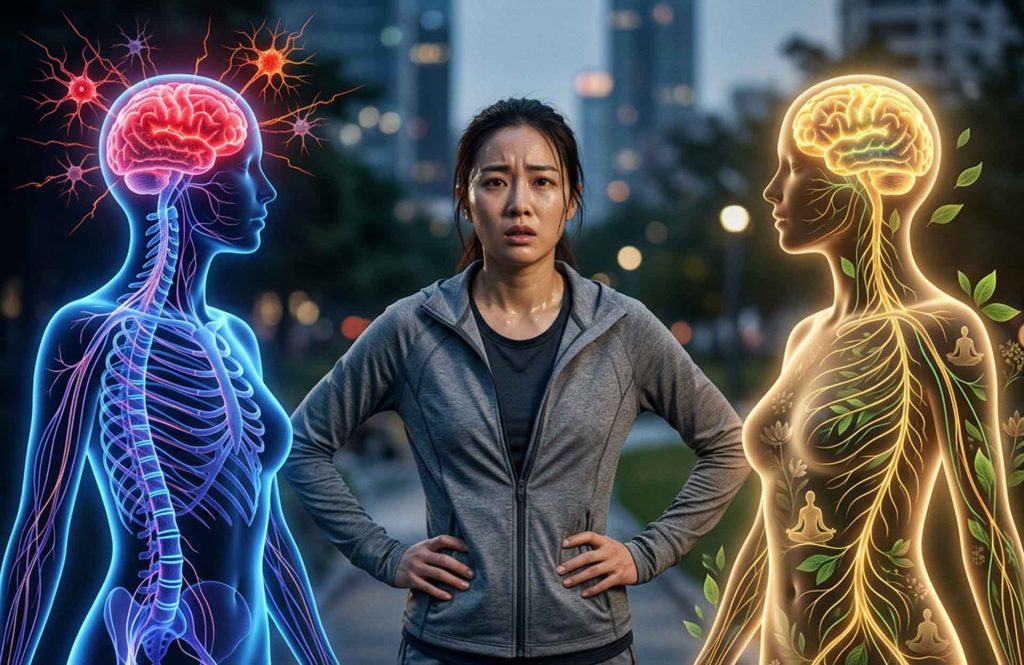


多年來,香港人的恢復方式幾乎只有一種:在梳化上休息一天。但「香港恢復訓練」的版圖正在發生巨變。愈來愈多人正以對待訓練般的專注度來對待恢復——而其帶來的身心成效亦不言而喻。
以下是重塑身心健康的六大轉變:
- Cold therapy is going mainstream. Once reserved for professional athletes, cold plunges and contrast therapy are becoming part of the regular weekly rhythm for everyday movers. The data is clear: cold exposure reduces inflammation, accelerates muscle repair and sharpens mental clarity in ways that passive rest alone cannot.
- Breathwork is finally getting its due. The nervous system doesn’t care how hard you trained; it cares whether you’ve given it a chance to downregulate. Structured breathwork—even just five minutes—is now being treated as a crucial nervous system reboot, rather than a wellness afterthought.
- Heat therapy is here to stay. Infrared saunas and traditional heat exposure are no longer niche. Deliberate heat stress followed by rest is emerging as one of the most powerful cellular recovery protocols available in the city.
- Soft tissue care is a weekly ritual. Foam rolling, sports massage and myofascial release have graduated from post-workout afterthoughts to planned sessions in people’s weekly calendars. Tissue quality equals performance.
- Sleep is being treated as an architecture. It’s not just about getting eight hours anymore. Professionals are tracking sleep stages and building wind-down routines with the same discipline they bring to their workouts.
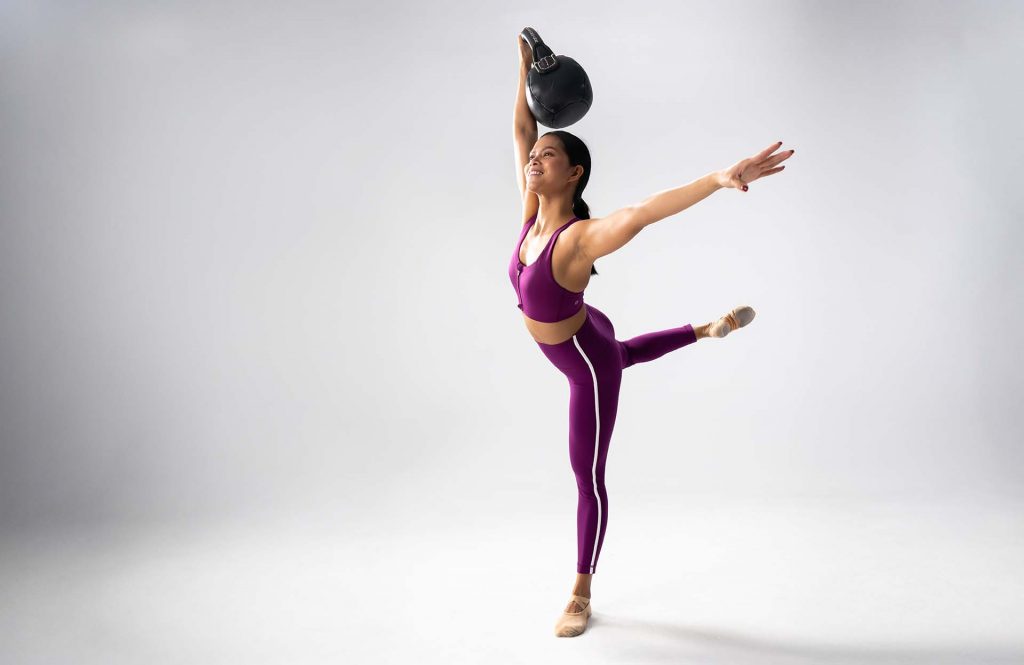
- Active recovery has replaced full rest. The idea of doing nothing on rest days is fading. Gentle yoga, long walks and mobility sessions are becoming the preferred way to recover—keeping the body moving while letting it repair.
恢復文化正在快速進化。現在的問題不再是是否需要恢復,而是您能恢復得多好。