

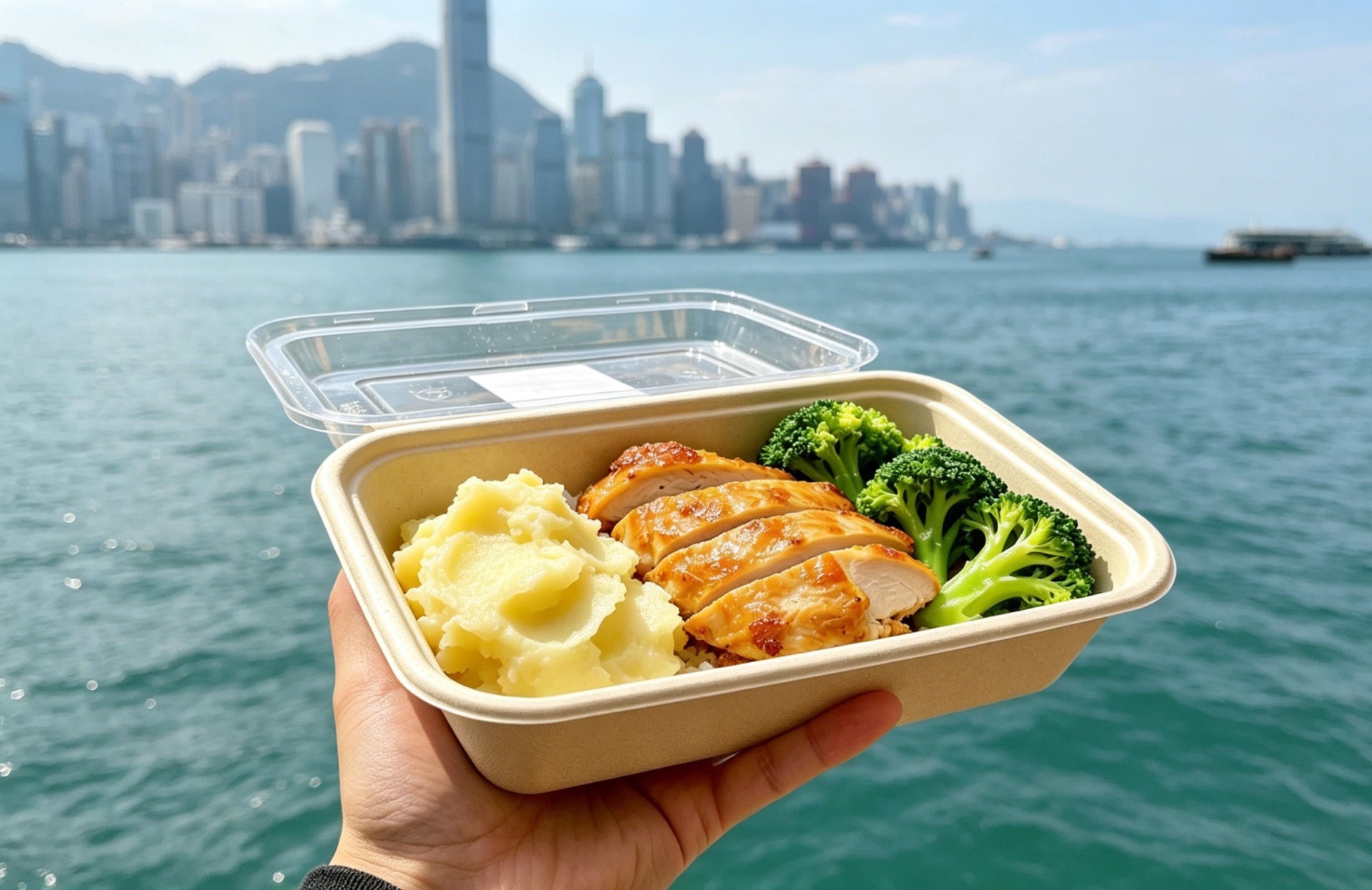
The queue outside the bubble tea shop on your street hasn’t gotten shorter, and local cha chaan tengs are still packed at lunch. Hong Kong’s love affair with food—rich, social, indulgent, and deeply cultural—is very much alive. But alongside it, a much quieter shift is happening.
People are beginning to think about food differently. The conversation is moving away from the blunt, restrictive arithmetic of counting calories, and toward something far more nuanced. The focus of wellness is firmly on gut health, and understanding exactly what food does inside the body.
People are starting to view food as information, rather than just fuel. Research over the past decade has fundamentally changed how scientists understand the gut microbiome—the trillions of bacteria living in your digestive system. These bacteria influence not just digestion, but immune function, mental health, cognitive clarity, and hormonal balance. For many professionals, this science is translating into practical, daily changes. We are seeing a surge in the consumption of fermented foods, high-quality dietary fibre, and a conscious reduction in ultra-processed products.
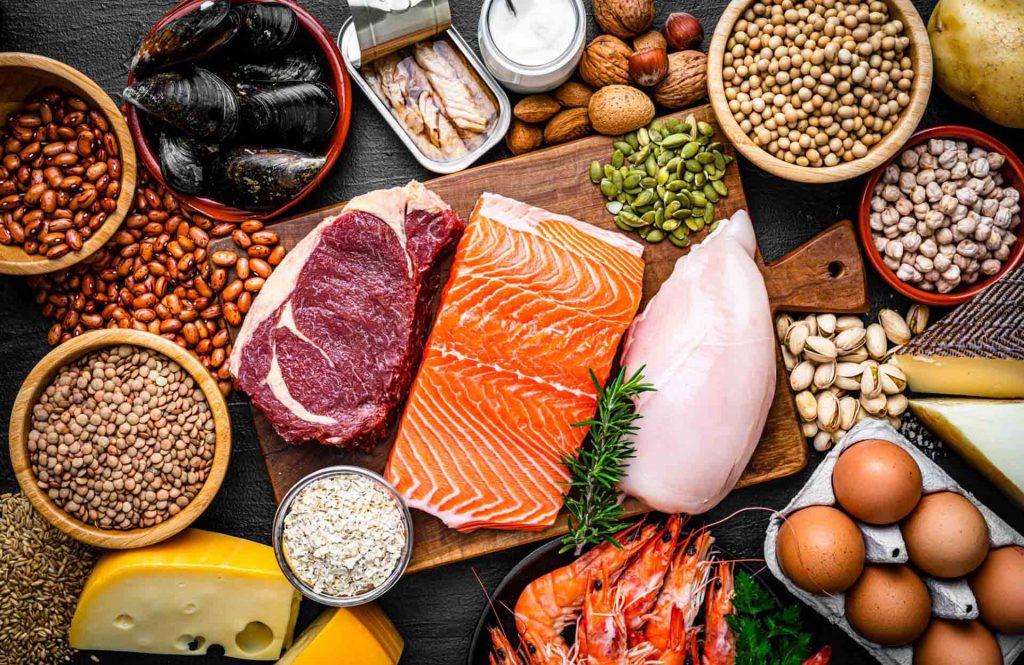
Protein is also having a major cultural moment. Where low-fat, low-calorie diets once dominated the landscape, the conversation has shifted toward protein adequacy—particularly for women, for anyone training seriously, and for those focused on muscle preservation for longevity. Additionally, anti-inflammatory eating frameworks are gaining massive traction to combat chronic city stress.
This isn’t about deprivation or strict dieting. It is a recalibration. By focusing on food quality rather than just numeric quantity, Hong Kongers are learning to fuel their bodies significantly smarter.