


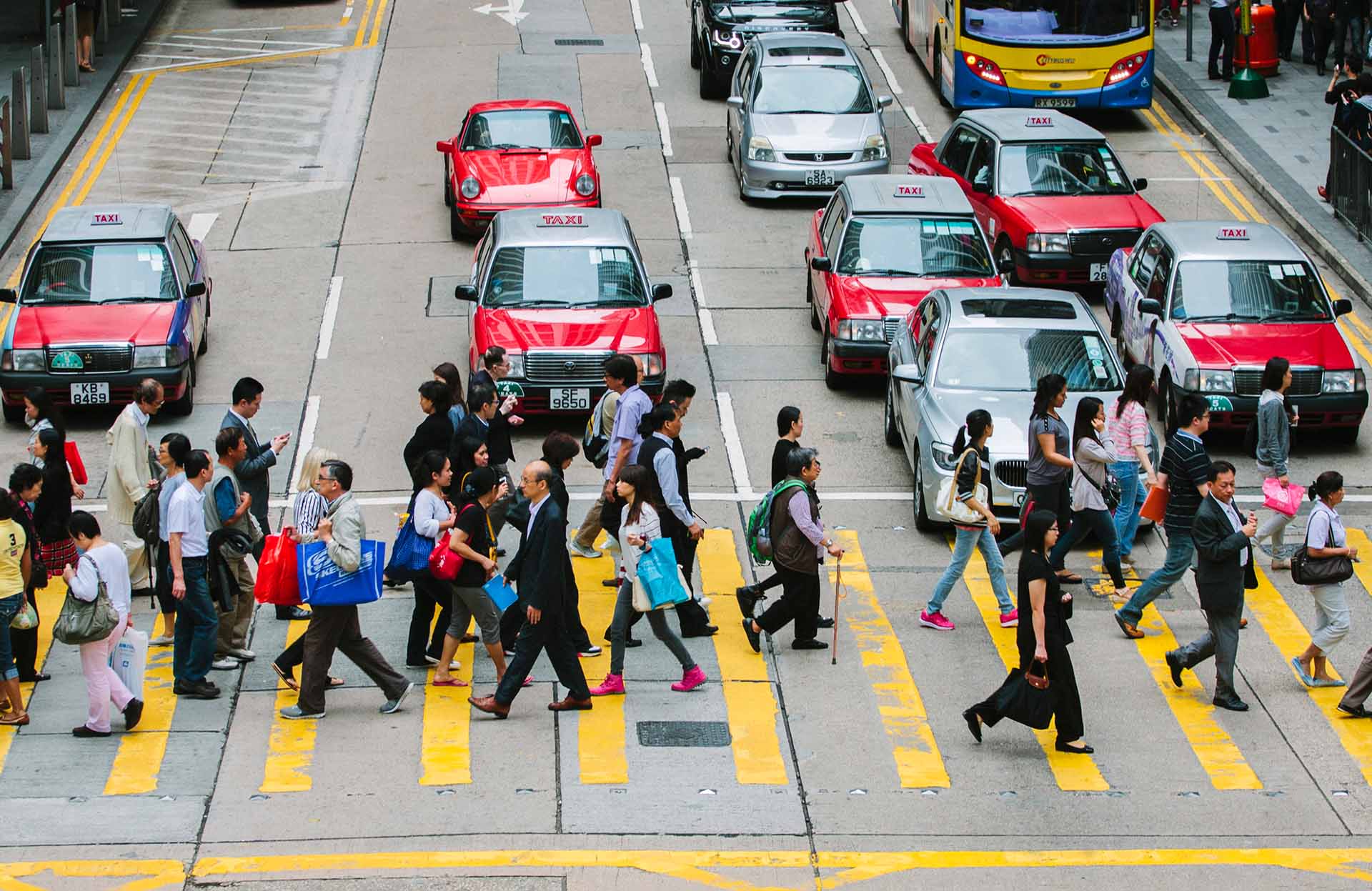
Hong Kong is an incredibly vibrant city, but it’s also one of the loudest. From the honking horns of incessant traffic congestion to the roar of the MTR and constant ping of notifications EVERYWHERE — urban residents rarely experience absolute quiet. This isn’t just an annoyance; it is a measurable physiological stressor.
Chronic background noise keeps the human brain in a state of low-grade hyper-vigilance. Even when you feel accustomed to the city’s soundtrack, your autonomic nervous system continues to process the audio input as potential threats. This constant processing elevates baseline cortisol levels, disrupts healthy digestion and prevents your body from fully shifting into its parasympathetic (rest-and-digest) state. In the pursuit of holistic wellness, many Hongkongers are realising that their fatigue isn’t just physical—it’s sensory.
Enter the concept of “sensory fasting”. Just as intermittent fasting gives your digestive system a break, sensory fasting gives your nervous system a chance to recalibrate. It is intentionally stripping away all audio and visual input for a set period. No podcasts during your commute. No background music while you work. No screens before bed.
Even just 15 minutes of complete silence daily allows the brain’s default mode network to activate, lowering your heart rate and reducing inflammation. In a modern world where our attention is constantly stimulated and monetised, seeking out zero-decibel environments is no longer a luxury. It is a vital health practice to protect your long-term mental and physical resilience.