


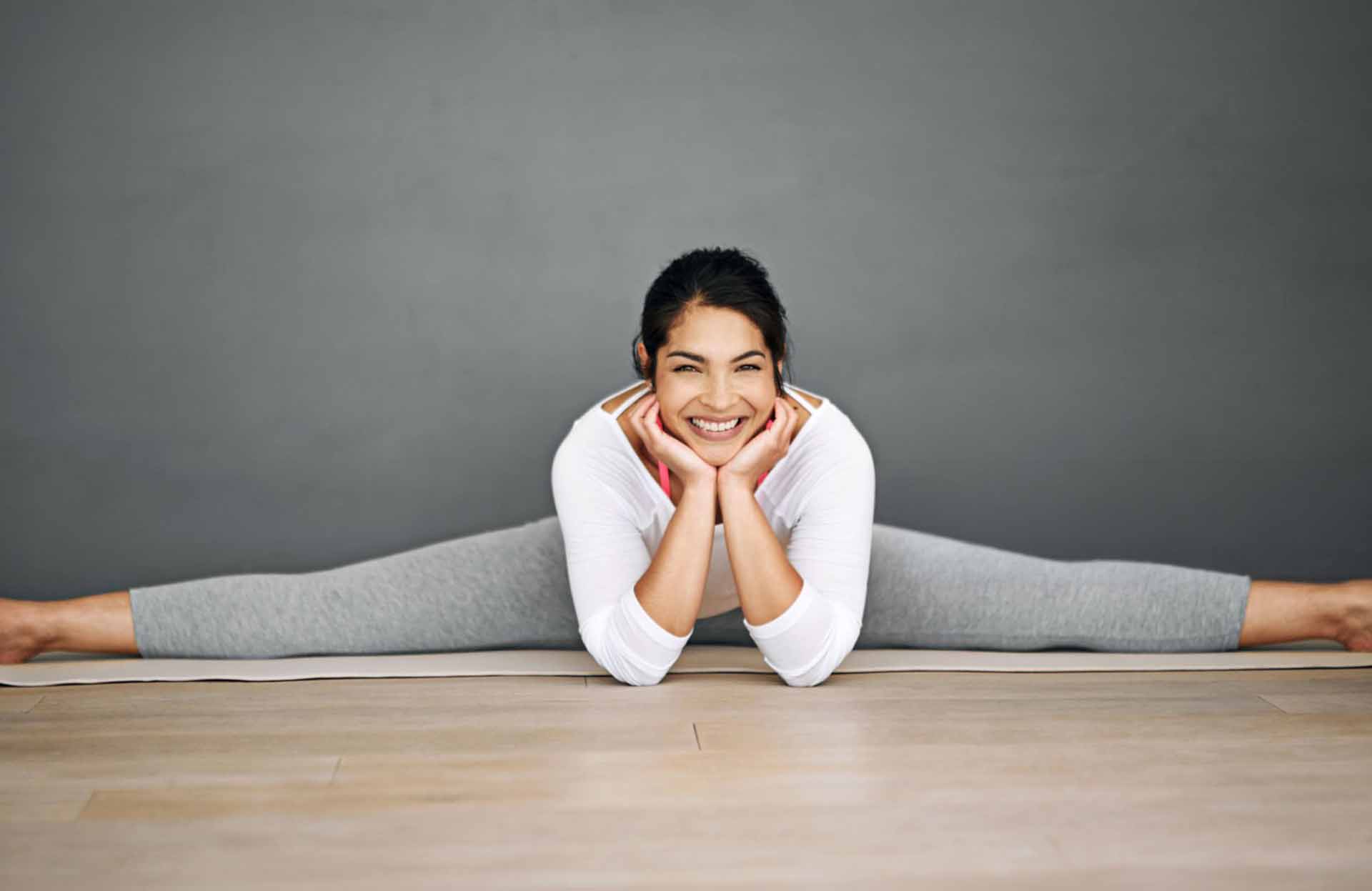
For decades, the fitness industry equated being ‘bendy’ with being healthy. If you could effortlessly slide into the splits or place your palms flat on the floor without bending your knees, you were considered a paragon of physical wellness. But movement science has evolved, and the distinction between flexibility and mobility is revolutionising how we train.
Flexibility is a passive physiological trait. It simply describes how far your connective tissues can stretch, often aided by gravity or external force. Mobility, however, is an active pursuit. It represents your neurological and muscular ability to actively control your limbs through their full range of motion.
This difference is critical for injury prevention. When you stretch a joint deeply without having the muscular strength to stabilise it in that stretched position, it becomes vulnerable. That’s why highly flexible or hyper-mobile individuals often suffer from chronic joint pain and frequent tweaks; their joints lack the necessary ‘brakes’ to protect them at their end ranges.
In the modern pursuit of wellness, the goal is shifting from passive stretching to active mobility training. True freedom in movement means building strength exactly where you feel the weakest. Whether you are lifting weights, practising yoga or just carrying groceries, stability and control are far more valuable than elasticity. Stop merely stretching your muscles, and start teaching them how to be strong at every angle.